
Tirzepatide
Many patients who are prescribed Tirzepatide often wonder if their doctors take the time to explain its mechanism and benefits during consultations. Understanding how Tirzepatide works is an important part of making informed decisions about treatment, especially for individuals managing type 2 diabetes or obesity. While healthcare providers may tailor explanations to each patient’s level of medical knowledge, it is common for doctors to provide an overview of how this medication functions, including its effects on blood sugar, appetite, and weight management. Patients who receive this information are often better equipped to adhere to their treatment plan and monitor for any side effects.
During consultations, doctors typically begin by describing How Tirzepatide Works in the body. Tirzepatide is a dual-incretin therapy that targets both the GLP-1 (glucagon-like peptide-1) receptor and the GIP (glucose-dependent insulinotropic polypeptide) receptor. This dual action helps regulate insulin secretion in response to high blood sugar while suppressing excessive glucagon release, which can elevate glucose levels. By explaining these mechanisms, doctors help patients understand that Tirzepatide not only improves blood sugar control but also has the potential to aid in weight reduction. This information is crucial for patients who may have struggled with other diabetes medications that target only one pathway.
Another aspect doctors often discuss during consultations is the impact of Tirzepatide on appetite and digestion. When explaining how Tirzepatide works, physicians highlight that the medication slows gastric emptying and increases feelings of fullness after meals. This effect can help patients naturally reduce calorie intake without feeling deprived, which is particularly important for weight management. Additionally, the dual-incretin approach of Tirzepatide enhances the body’s ability to use glucose efficiently, which supports energy metabolism and overall metabolic health. Patients who understand these effects are more likely to recognize the importance of dietary choices and physical activity alongside their medication regimen.
Doctors also tend to provide information on the dosing and administration of Tirzepatide as part of explaining how Tirzepatide works. The drug is designed as a once-weekly injection, which can improve convenience and adherence compared to medications requiring daily dosing. Healthcare providers emphasize that the sustained action of Tirzepatide ensures steady regulation of blood sugar levels and consistent metabolic effects. During consultations, doctors may discuss how to store and administer the injections properly, as well as how to gradually increase the dose to minimize side effects such as nausea or gastrointestinal discomfort. This personalized guidance ensures that patients can safely and effectively incorporate Tirzepatide into their routine.
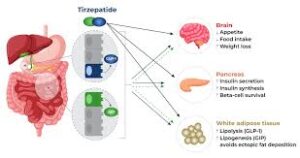
Do doctors explain how Tirzepatide works during consultations?
The safety profile and potential side effects of Tirzepatide are also commonly addressed when doctors explain how Tirzepatide works. While the medication is generally well-tolerated, some patients may experience mild gastrointestinal issues at the start of therapy. Physicians often reassure patients that these symptoms tend to improve over time and that the risk of hypoglycemia is lower than with some older diabetes medications because Tirzepatide’s action is glucose-dependent. Understanding this helps patients feel more confident in their treatment and reduces anxiety about possible adverse effects. Clear communication about side effects is a key component of consultations, enabling patients to recognize when to seek medical advice.
Many doctors go beyond the basic mechanisms to discuss the broader benefits of Tirzepatide during consultations. When explaining how Tirzepatide works, physicians often highlight that the medication has demonstrated improvements not only in blood sugar levels but also in weight reduction, lipid profiles, and cardiovascular risk factors. By providing this context, patients can see the potential long-term advantages of therapy, which may encourage adherence and lifestyle adjustments that further enhance outcomes. Some healthcare providers even share clinical study results to give patients evidence-based insight into the medication’s effectiveness, which can foster trust and confidence in the treatment plan.
Patient education is a critical component of consultations, and doctors often tailor explanations of how Tirzepatide works to individual needs. For patients with limited medical knowledge, physicians may use simple analogies or visual aids to illustrate how the dual-incretin system functions. For more medically savvy patients, a detailed discussion of receptor pathways and hormonal effects may be provided. Regardless of the level of detail, the goal is to ensure patients understand how the medication fits into their overall treatment strategy and why it may offer benefits that other medications do not.
In conclusion, doctors generally take time during consultations to explain how Tirzepatide works in a way that patients can understand. By discussing its dual-incretin mechanism, effects on blood sugar and appetite, dosing schedule, safety profile, and broader health benefits, physicians provide patients with the information needed to make informed decisions and adhere to their treatment plan. Effective communication during these consultations helps patients feel confident, reduces anxiety about potential side effects, and maximizes the therapeutic potential of Tirzepatide. Patients who fully understand the medication are more likely to experience positive outcomes and integrate lifestyle changes that complement their therapy, highlighting the importance of thorough medical guidance.
