
incentive trips compare to other types of event marketing
Incentive trips are a unique and highly effective strategy within the different types of event marketing. These events are designed to reward employees, business partners, or top customers with exclusive travel experiences, fostering loyalty and motivation. While other types of event marketing focus on brand exposure, customer engagement, or lead generation, incentive trips prioritize strengthening relationships and encouraging long-term commitment. By comparing incentive trips to other event marketing strategies, it becomes clear why they hold a special place in corporate and consumer engagement.
Unlike traditional promotional events such as trade shows or product launches, incentive trips are not directly aimed at mass audiences. Instead, they focus on a select group of high-performing individuals, whether they are employees or loyal customers. This exclusivity adds significant value to the experience, making recipients feel appreciated and increasing their attachment to the brand. Other types of event marketing, such as pop-up experiences or social media-driven campaigns, often target large audiences to maximize reach, whereas incentive trips work on a deeper, more personal level.
Another key difference between incentive trips and other event marketing strategies is the emotional impact they create. While virtual events or influencer marketing campaigns can generate buzz and visibility, they do not offer the same level of personal investment and reward as an all-expenses-paid trip. Travel experiences create lasting memories, associating positive emotions with the brand. This emotional connection is more powerful than a temporary marketing campaign, leading to greater brand loyalty and advocacy.
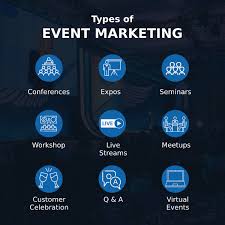
How do incentive trips compare to other types of event marketing?
Incentive trips also stand out in terms of return on investment (ROI). While the upfront costs of organizing an incentive trip can be high, the long-term benefits often outweigh the expenses. Employees who feel valued are more likely to remain committed and productive, while customers who receive such rewards are more inclined to continue purchasing from the brand. Other types of event marketing, such as sponsorships or promotional giveaways, may generate immediate sales but do not always ensure long-term loyalty. By contrast, incentive trips serve as a long-term investment in customer retention and employee satisfaction.
Moreover, incentive trips often encourage organic word-of-mouth marketing. Participants frequently share their experiences on social media, posting photos and stories about their travels. This kind of authentic promotion can generate curiosity and interest from a broader audience, even though the event itself is exclusive. Other types of event marketing, such as brand activations or trade shows, rely heavily on direct engagement, whereas incentive trips can create a ripple effect of brand awareness through personal recommendations and social sharing.
Despite their advantages, incentive trips are not suitable for every business model. They require significant financial and logistical planning, making them more feasible for established companies with the resources to invest in high-value rewards. Smaller businesses may find other types of event marketing, such as virtual events or experiential campaigns, more accessible and cost-effective. However, for brands looking to build long-term relationships with top-performing employees or customers, incentive trips offer unparalleled value. By comparing them to other event marketing strategies, it is clear that they serve a unique purpose in fostering deep brand loyalty and sustained engagement.
