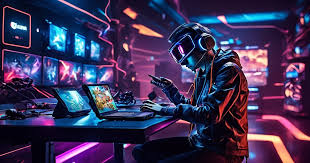

The Evolution and Impact of Gaming in the Modern World
Gaming has evolved from a niche hobby to a global phenomenon, shaping entertainment, culture, and even technology. From simple arcade games to complex virtual worlds, gaming has become an integral part of modern society. This article explores the evolution of gaming, its cultural impact, and the future of the gaming industry.
1. The History and Evolution of Gaming
The origins of video gaming date back to the 1950s when early computer games were developed for research purposes. However, it wasn’t until the 1970s that gaming began to take form as a commercial industry with the introduction of arcade games like Pong and Space Invaders. These early games were simple, yet they captured the public’s imagination and set the stage for the explosion of gaming in the decades to follow.
In the 1980s and 1990s, home consoles such as the Nintendo Entertainment System (NES), Sega Genesis, and Sony PlayStation transformed the gaming experience, making it more accessible to the general public. The rise of personal computers also allowed gamers to experience more complex games with better graphics and sound. During this period, iconic franchises such as Super Mario, The Legend of Zelda, and Final Fantasy were born, solidifying gaming as a mainstream form of entertainment.
As technology advanced, so did the complexity and scope of video games. In the early 2000s, the rise of online gaming and multiplayer experiences, such as World of Warcraft and Halo 2, created new ways for players to connect and interact with each other across the globe. Today, gaming encompasses not only traditional console and PC games but also mobile gaming, virtual reality (VR), and esports.
2. The Cultural Impact of Gaming
Gaming has significantly influenced popular culture. Video games have inspired movies, TV shows, books, and even music, and have become a central part of youth culture worldwide. Franchises like Pokémon, Minecraft, and Fortnite have developed dedicated fanbases and have contributed to the creation of entire communities around these games.
In addition to entertainment, gaming has fostered creativity and innovation. Games like Minecraft allow players to build and create within virtual worlds, promoting problem-solving and creativity. Many game developers have used gaming as a platform to tell stories, addressing complex themes such as identity, morality, and social issues. Titles like The Last of Us and Bioshock Infinite are often lauded for their narrative depth and emotional resonance.

Moreover, gaming has facilitated social connections. Multiplayer games and online platforms like Twitch have created new spaces for individuals to interact, collaborate, and compete. Gaming has become a social activity for people of all ages and backgrounds, whether through local co-op play or massive multiplayer online games (MMOs).
3. The Business of Gaming
The gaming industry is now a multi-billion-dollar enterprise, rivaling even the movie and music industries in terms of revenue. According to recent reports, the global gaming market is expected to reach over $200 billion by 2025. This rapid growth has been driven by advancements in technology, an expanding global audience, and the rise of esports.
The rise of esports, in particular, has transformed gaming into a competitive sport with professional players, teams, and tournaments. Major esports events, such as the League of Legends World Championship and The International (Dota 2), attract millions of viewers and offer substantial cash prizes. Esports has led to the establishment of gaming leagues, professional commentary, and sponsorships, further cementing gaming as a legitimate form of entertainment.
In addition, mobile gaming has made a huge impact on the industry. With smartphones now a ubiquitous part of daily life, mobile games like Candy Crush, Clash Royale, and PUBG Mobile have attracted millions of players worldwide. Mobile gaming offers an easy entry point for new gamers, as games can be played anytime, anywhere.
4. The Future of Gaming
The future of gaming is exciting, with technology continuing to push the boundaries of what is possible. Virtual reality (VR) and augmented reality (AR) are becoming more integrated into gaming experiences, offering immersive worlds that players can explore and interact with. Games like Half-Life: Alyx and Pokémon Go demonstrate the potential of VR and AR to create innovative and engaging gameplay.
Cloud gaming is another area poised to revolutionize the industry. Services like Google Stadia and Xbox Cloud Gaming allow players to stream games directly to their devices without the need for expensive hardware. This could make high-quality gaming more accessible and affordable to a wider audience.
Additionally, artificial intelligence (AI) is playing an increasingly important role in shaping the future of gaming. AI-powered game characters, adaptive difficulty levels, and procedural generation are just a few of the ways that AI is being integrated into gaming. As AI continues to evolve, we can expect even more dynamic and personalized gaming experiences.
Conclusion
Gaming has come a long way since its inception, becoming an essential part of modern culture and entertainment. Its evolution has been driven by technological advancements and a growing global community of players. Today, gaming not only serves as a form of entertainment but also fosters creativity, innovation, and social connections. As the gaming industry continues to expand, the future holds limitless possibilities for new experiences and innovations.
